


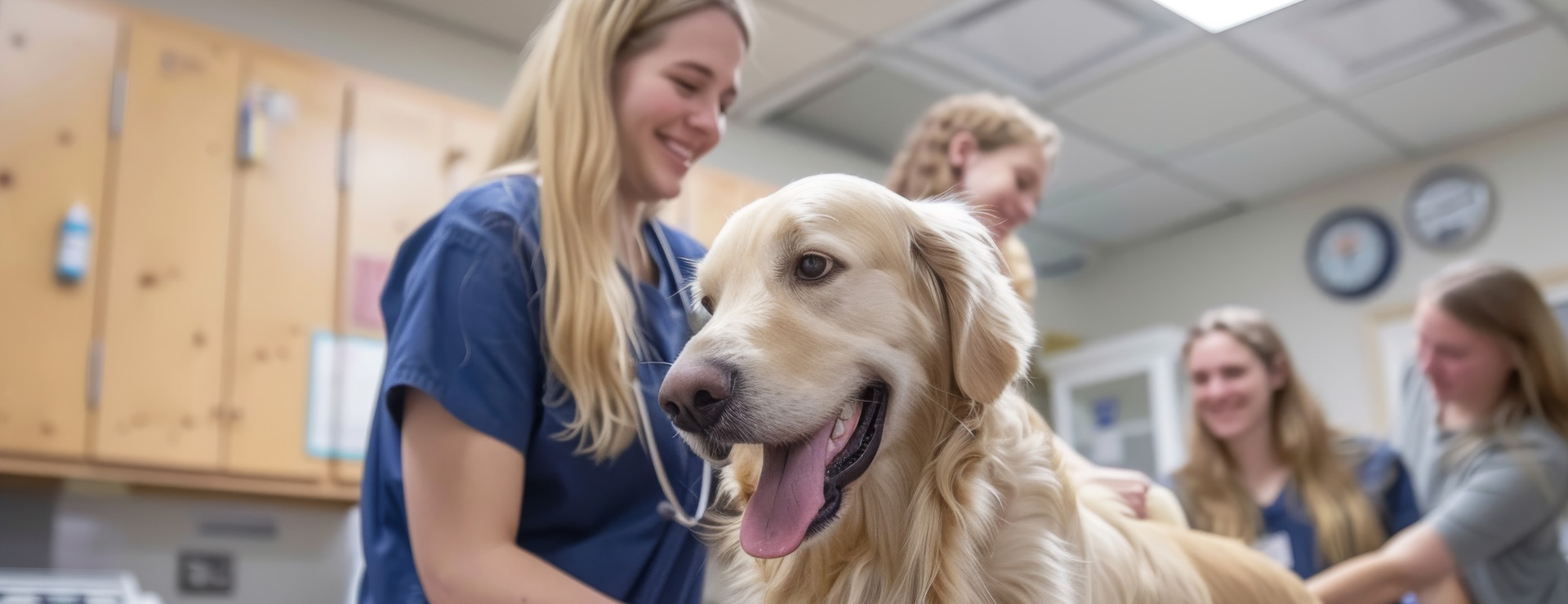
Is My Dog or Cat Overweight? Nutrition and Weight Tips from Our Veterinarians


It is easy to love a pet with food. A few extra treats here, a bigger scoop there, and before long your dog's collar feels tighter or your cat has slowed down. Weight is one of the most common things pet owners ask us about, along with which food is right for their pet.
Here is how to tell whether your dog or cat may be carrying extra weight, simple ways to help at home, and how our team at Oromocto Veterinary Hospital gives nutrition guidance for every stage of life.
Why Weight Matters
Proper nutrition is vital for your pet's overall health. Extra weight can add strain to joints and make stiffness and arthritis harder on your pet. Sudden or unexplained weight changes, up or down, can also be a sign of an underlying health problem. That is why every pet is weighed at every visit to our hospital.
Simple Checks You Can Do at Home
These quick checks can give you a general idea, but your veterinarian is the best judge of your pet's ideal weight:
- Feel the ribs. You should be able to feel your pet's ribs under a thin layer of fat without pressing hard.
- Look from above. Many dogs and cats have a visible waist behind the ribs.
- Look from the side. The belly usually tucks up behind the ribs rather than hanging level or low.
- Notice changes. A tighter collar, less energy, or trouble jumping are worth mentioning at your next visit.
How Our Veterinarians Help
Weight Checks at Every Visit
Your pet is weighed at every visit, so we can spot changes early and compare them over time. During a wellness exam, we also talk with you about your pet's diet, exercise routine, and behaviour.
Choosing the Right Food
We provide guidance on selecting the best food for your pet based on their age, breed, size, and health conditions. If your pet has a particular health concern, we may recommend supplements or a specialized diet.
Exercise and Enrichment Advice
We offer personalized lifestyle advice based on your pet's age, breed, activity level, and health history, including recommendations for exercise, environmental enrichment, and socialization.
Checking for Underlying Causes
If your pet is gaining or losing weight without a clear reason, your veterinarian may recommend diagnostic tests such as bloodwork or urine analysis. Read more in our guide to pets drinking more water or losing weight.
Everyday Tips for a Healthy Weight
- Measure meals instead of guessing, and ask us how much your pet should eat.
- Count the treats. Treats and table scraps add up quickly.
- Skip risky human foods. Bones, onions, raisins, chocolate, and sugar-free products containing xylitol are dangerous for pets. See our guide on what to do if your pet eats something it should not.
- Keep pets active with daily walks and play that suit their age and health.
- Make mealtime a game for cats. Indoor cats can become bored or inactive, which can lead to weight gain. Puzzle feeders, feather wands, and interactive toys keep them moving.
- Check in with us before starting a big diet change.
Nutrition at Every Life Stage
Puppies and Kittens
Young pets need food made for growth. Kittens need an energy-rich, easy-to-digest diet formulated for kittens, fresh water at all times, and no milk, which can cause digestive issues. Our team can help you choose a food for your puppy and answer questions about how much to feed. See our guides for new puppies and new kittens.
Adult Pets
For healthy adults, a yearly wellness exam is a good time to check that your pet's food, portions, and activity still fit their lifestyle.
Senior Pets
An older pet's needs change. We can help you choose a food suited to your pet's age and health, and may recommend supplements or a specialized diet for certain conditions. Pain from arthritis can also make pets less active, and treatments such as pain management or acupuncture may help them move more comfortably. Learn more in our guide to senior pet care.
Paying for Your Pet's Care
Payment is due at the time of service, and we accept Visa, MasterCard, American Express, Debit, and Cash. Eligible clients can apply for financing through humm, with plans for veterinary care of up to $30,000, including 6 and 12 month zero-interest payment plans on eligible purchases. A soft credit check is required. Serving and retired members of Canada's military receive a 5% discount on their invoice when they present military ID at their appointment.
Frequently Asked Questions
How do I know if my dog is overweight?
Feel for the ribs, look for a waist from above, and check for a tummy tuck from the side. For a clear answer, book an exam. We weigh every pet at every visit and can tell you your pet's ideal weight.
What is the best food for my dog or cat?
It depends on your pet's age, breed, size, and health. Our veterinarians can help you choose the right food and recommend a specialized diet if your pet needs one.
My indoor cat is gaining weight. What can I do?
Indoor cats can become bored or inactive. Try puzzle feeders, interactive toys, and daily play, and ask us to check your cat's weight and diet.
My pet is losing weight. Should I be concerned?
Unexplained weight loss is worth checking. Your veterinarian may recommend bloodwork, urine analysis, or imaging to find the cause.
Get Nutrition Advice in Oromocto
Want help with your pet's weight or diet? Call us at (506) 357-8880 or request an appointment online. Learn more about our wellness care. We are at 225 Restigouche Road in Oromocto and open Monday to Friday, 7:30 AM to 6:00 PM.


The Latest
Indoor cats live longer, healthier lives, free from the dangers of traffic, predators, and harsh weather. Learn how to keep your beloved cat safe and happy.

Regular grooming maintains your pet’s health by preventing mats, promoting shiny coats, and removing debris. Trust professionals for safe, effective grooming.
Keep your pets safe this Halloween by avoiding chocolate, candy, and decorations that can be toxic or harmful to them.