


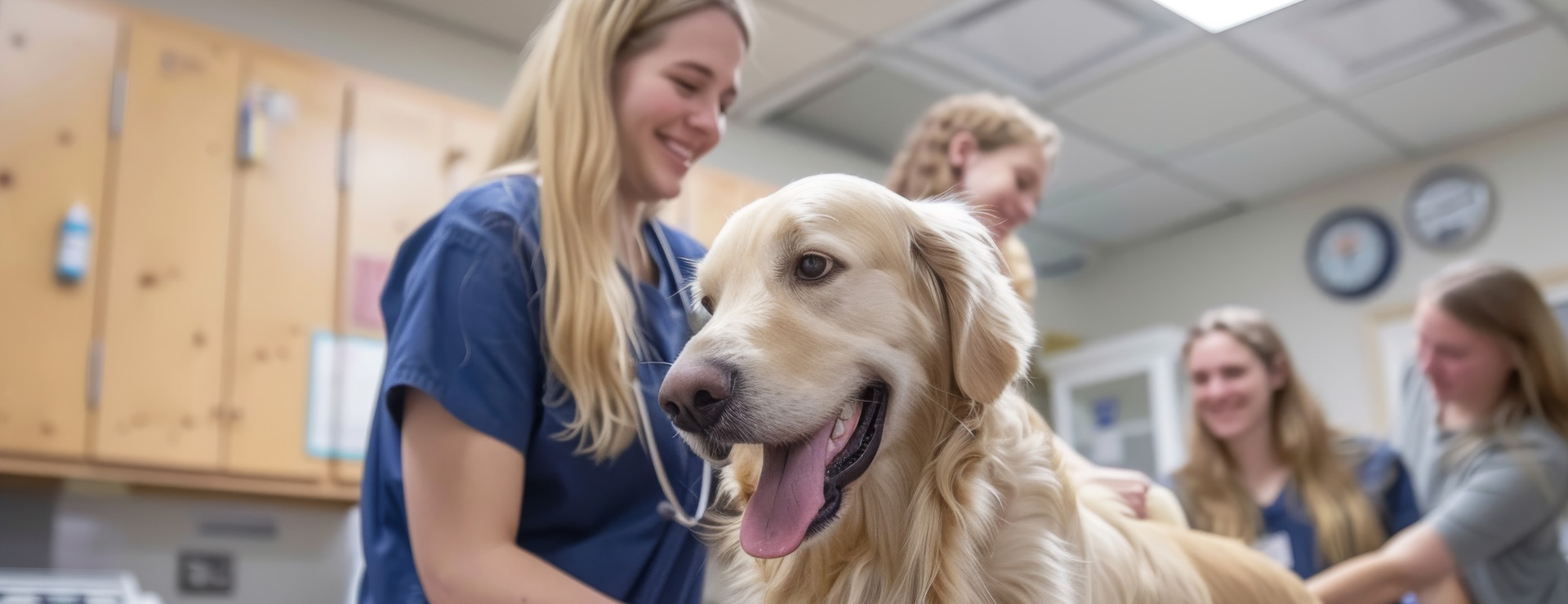
Is Your Dog or Cat Drinking More Water or Losing Weight? How Testing Finds the Cause


You are filling the water bowl more often than you used to. The litter box is heavier, or your dog is asking to go out at night. Maybe your cat feels lighter when you pick them up. Changes like these are easy to miss at first, but they are worth taking seriously.
Changes in thirst, urination, appetite, and weight can be linked to many different health problems, including conditions that affect organs such as the kidneys or liver, or the glands that make hormones. The only way to know for sure is testing. Here is what to watch for, what to track at home, and how our team at Oromocto Veterinary Hospital finds the cause.
Changes Worth Telling Your Veterinarian About
- Drinking more water than usual
- Urinating more often, having accidents in the house, or bigger clumps in the litter box
- Changes in litter box habits
- Weight loss, or weight gain, without a change in diet
- Eating more or eating less than usual
- Less energy or less interest in play
- Hiding or acting differently
Cats are especially good at hiding illness, so small changes in routine can be your best clue. These changes are also common in older pets, which is one reason senior pets may need more frequent checkups. Read more in our guide to senior pet care.
What to Track at Home Before Your Visit
A few simple notes can help your veterinarian a lot:
- Measure the water. Fill the bowl with a set amount each morning and note how much is left the next day.
- Note bathroom habits. How often your pet urinates, any accidents, and the size and number of clumps in the litter box.
- Track appetite. Write down how much your pet is eating and any changes in food or treats.
- Watch the weight. If you can weigh your pet at home, write it down. We also weigh every pet at every visit.
- Bring a list of medications, including supplements.
- Ask about a urine sample. When you book, ask our team whether to bring one.
When to Call Right Away
Book an exam soon for any of the changes above. Call us right away at (506) 357-8880 if your pet seems very weak, is in intense pain, has trouble breathing, or seems suddenly and seriously unwell. Walk-ins are accepted for emergencies during business hours. After hours, call our office at (506) 357-8880 to be directed to the clinic on call, or contact Capital City Emergency Vet Hospital at 506-447-8387.
How Our Veterinarians Find the Cause
1. A Thorough Exam
Your veterinarian will do a full physical exam and check vital signs such as weight, heart rate, and breathing. We will also go over the changes you have noticed at home.
2. Bloodwork
Bloodwork helps us check organ function. Our in-house laboratory delivers fast results, so we can start answering questions quickly.
3. Urine Analysis
A urine test gives us more information about how your pet's body is working and helps us interpret the bloodwork.
4. Imaging: X-Rays and Ultrasound
Digital x-rays help us identify internal abnormalities. When bloodwork and x-rays do not give clear answers, ultrasound is often the next step. Abdominal ultrasound lets us examine the liver, kidneys, spleen, bladder, pancreas, adrenal glands, lymph nodes, and intestines in real time. Mild sedation is often used to keep your pet calm and comfortable during the scan. Learn more in our guide to pet ultrasound.
Treatment and Ongoing Care
Once we know what is going on, we build a treatment plan around your pet's needs. Depending on the cause, it may include medication, a specialized diet, surgery, or ongoing care. Your veterinarian will explain the results clearly and work with you on next steps.
Some conditions need regular monitoring. Follow-up visits, repeat bloodwork, and ultrasound help us track how your pet is responding and adjust the plan as needed.
Why Baseline Testing Matters
Bloodwork and other tests at a healthy wellness visit set baseline values for your pet. When something changes later, we can compare the new results with what is normal for your pet. That is one more reason we recommend a wellness exam once a year for healthy adult pets, and more often for seniors and pets with health conditions. Read about our x-rays and lab testing for more.
Paying for Your Pet's Care
Payment is due at the time of service, and we accept Visa, MasterCard, American Express, Debit, and Cash. Eligible clients can apply for financing through humm, with plans for veterinary care of up to $30,000, including 6 and 12 month zero-interest payment plans on eligible purchases. A soft credit check is required. Serving and retired members of Canada's military receive a 5% discount on their invoice when they present military ID at their appointment.
Frequently Asked Questions
Why is my dog drinking so much water?
Increased thirst can have many causes, and some of them involve organs such as the kidneys or liver, or hormone-producing glands. Bloodwork and a urine test are usually the first steps to find out. Call us to book an exam.
My cat is losing weight but still eating. Should I worry?
Weight loss without a change in diet is worth checking. Your veterinarian can examine your cat and recommend tests to find the cause.
How fast will I get lab results?
Our in-house laboratory delivers fast results for a wide range of tests, and your veterinarian will review the findings with you.
Does my pet need to be sedated for an ultrasound?
Mild sedation is often used to help pets stay calm and comfortable, and more can be given if needed.
Do you accept ultrasound referrals from other clinics?
Yes. We accept ultrasound referrals from other veterinary practices.
Book an Exam in Oromocto
If your dog or cat is drinking more, urinating more, or losing weight, call us at (506) 357-8880 or request an appointment online. Learn more about our diagnostic services and ultrasound services. We are at 225 Restigouche Road in Oromocto and open Monday to Friday, 7:30 AM to 6:00 PM.


The Latest
Indoor cats live longer, healthier lives, free from the dangers of traffic, predators, and harsh weather. Learn how to keep your beloved cat safe and happy.
Regular grooming maintains your pet’s health by preventing mats, promoting shiny coats, and removing debris. Trust professionals for safe, effective grooming.
Keep your pets safe this Halloween by avoiding chocolate, candy, and decorations that can be toxic or harmful to them.