


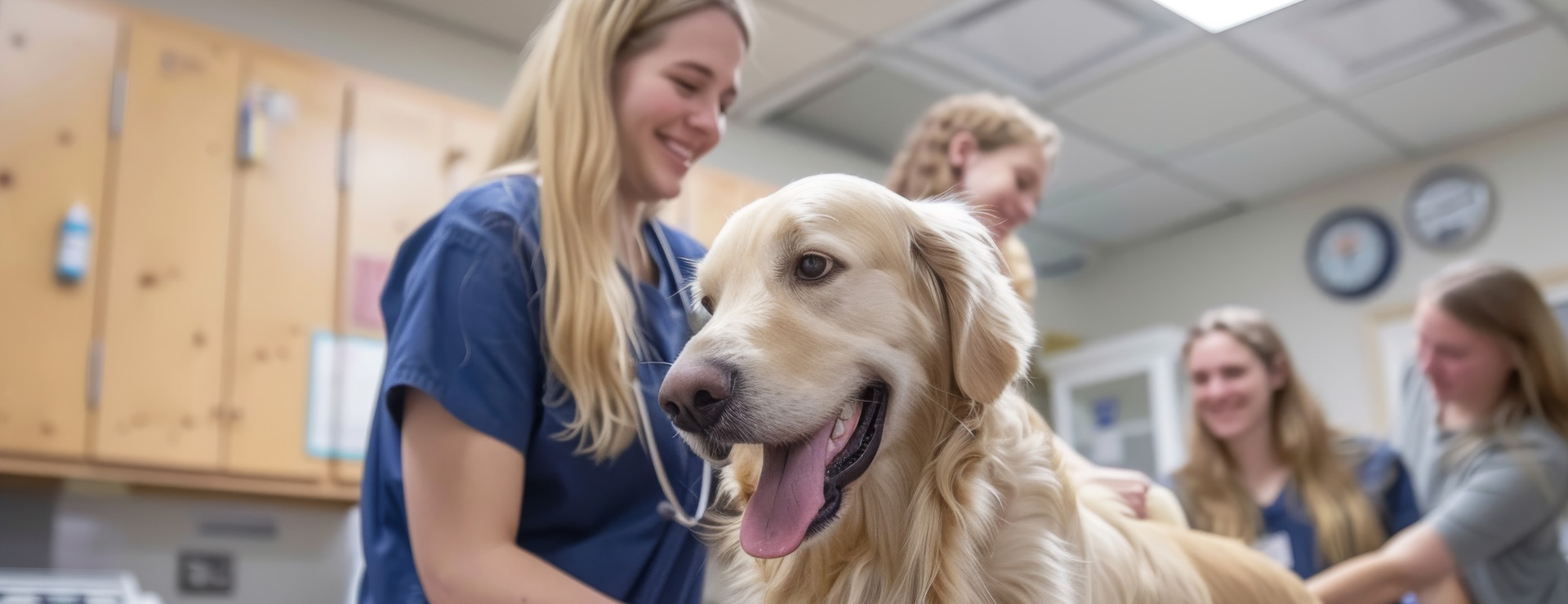
Is Your Senior Dog or Cat Slowing Down? Signs to Watch and How We Help


Your dog takes the stairs a little slower. Your cat no longer jumps onto the bed. It is easy to put changes like these down to old age, but some of them can be signs of pain or illness that can be treated.
Pets age much faster than people do, so a lot can change in a single year. Here is what to watch for in your senior dog or cat, and how our team at Oromocto Veterinary Hospital helps older pets stay comfortable.
Why Senior Pets Need More Frequent Checkups
We recommend a wellness exam once a year for healthy adult pets. Senior pets, and pets with existing health conditions, may need more frequent checkups. Regular visits help us catch problems early, before they become serious, and give us a record of what is normal for your pet.
Changes Worth Mentioning to Your Veterinarian
Keep a note of anything new and bring it to your pet's next visit. Changes worth mentioning include:
- Moving more slowly, stiffness, or not wanting to jump or climb stairs
- Eating less, dropping food, or chewing on one side of the mouth
- Bad breath that does not go away
- Hiding, grumpiness, or not wanting to be touched
- New lumps or bumps
- Weight gain or weight loss
- Changes in thirst, urination, or litter box habits
- Less interest in walks, play, or treats
Cats are especially good at hiding pain, so arthritis and other problems in older cats are often missed. Small changes in routine can be your best clue.
What Happens at a Senior Wellness Exam
During your pet's exam, our veterinarians carry out a thorough physical examination and check vital signs such as weight, heart rate, and breathing. We also talk with you about changes in your pet's diet, exercise routine, and behaviour.
Depending on your pet's age and health, we may recommend diagnostic tests such as:
- Bloodwork to check organ function
- Urine analysis
- Fecal exams to check for intestinal parasites
- Imaging such as digital x-rays or ultrasound
These tests can uncover hidden conditions and set baseline values to compare against in the future. Our in-house laboratory delivers fast results, and your veterinarian will explain what they mean.
Dental Care for Older Pets
Dental problems often develop below the gum line, where you cannot see them. They can cause pain, difficulty eating, and changes in behaviour, and if left untreated, bacteria from dental disease can spread to vital organs. Full dental x-rays help us find these hidden problems. Learn more in our guide to pet dental care.
Help for Arthritis and Chronic Pain
If your senior pet is stiff or sore, there are ways to help. Along with pain management, we offer veterinary acupuncture, a gentle therapy that can help reduce pain, ease inflammation, and improve circulation. It is a safe option for pets with arthritis and chronic pain, and for conditions that have not fully responded to medication.
Acupuncture is provided by Dr. Norby, who received advanced training in animal acupuncture from Chi University in Florida. We recommend starting with a series of three sessions. After that, Dr. Norby assesses your pet's progress and builds a care plan. Read more about acupuncture for dogs and cats.
Nutrition and Lifestyle for Senior Pets
An older pet's needs change. Our team can help you choose a food suited to your pet's age, breed, size, and health, and may recommend supplements or a specialized diet for certain conditions. We also offer advice on exercise and enrichment so your pet stays active and engaged at a pace that suits them.
Surgery and Anesthesia for Older Pets
If your senior pet needs a procedure, such as dental treatment or lump removal, we take extra care. Every surgery starts with a pre-surgical exam and pre-anesthetic testing, and anesthesia is chosen for your pet's individual needs. Our team monitors your pet throughout and plans pain management for a comfortable recovery.
Paying for Your Pet's Care
Payment is due at the time of service, and we accept Visa, MasterCard, American Express, Debit, and Cash. Eligible clients can also apply for financing through humm, with plans for veterinary care of up to $30,000, including 6 and 12 month zero-interest payment plans on eligible purchases. A soft credit check is required.
Serving and retired members of Canada's military receive a 5% discount on their invoice through our OVH Military Members Program. Just present your military ID at your appointment.
Frequently Asked Questions About Senior Pet Care
Is my pet slowing down just because of age?
Some changes are a normal part of aging, but others can point to pain or illness that can be treated. An exam is the best way to tell the difference.
How often should my senior pet see the vet?
Healthy adult pets should have a wellness exam once a year. Senior pets may need more frequent checkups, and your veterinarian will recommend a schedule based on your pet's health.
Can acupuncture help my older dog or cat?
Acupuncture can help pets with arthritis, chronic pain, and recovery after surgery. It can be used alongside medication and other treatments.
Do you see senior cats?
Yes. Our hospital is accredited by the American Association of Feline Practitioners (AAFP), and we focus on low-stress handling designed around the needs of cats. Learn more about our cat-friendly care.
Book a Senior Pet Checkup in Oromocto
If your dog or cat is slowing down or acting differently, call us at (506) 357-8880 or request an appointment online. We are open Monday to Friday, 7:30 AM to 6:00 PM, at 225 Restigouche Road in Oromocto.


The Latest
Indoor cats live longer, healthier lives, free from the dangers of traffic, predators, and harsh weather. Learn how to keep your beloved cat safe and happy.
Regular grooming maintains your pet’s health by preventing mats, promoting shiny coats, and removing debris. Trust professionals for safe, effective grooming.
Keep your pets safe this Halloween by avoiding chocolate, candy, and decorations that can be toxic or harmful to them.