


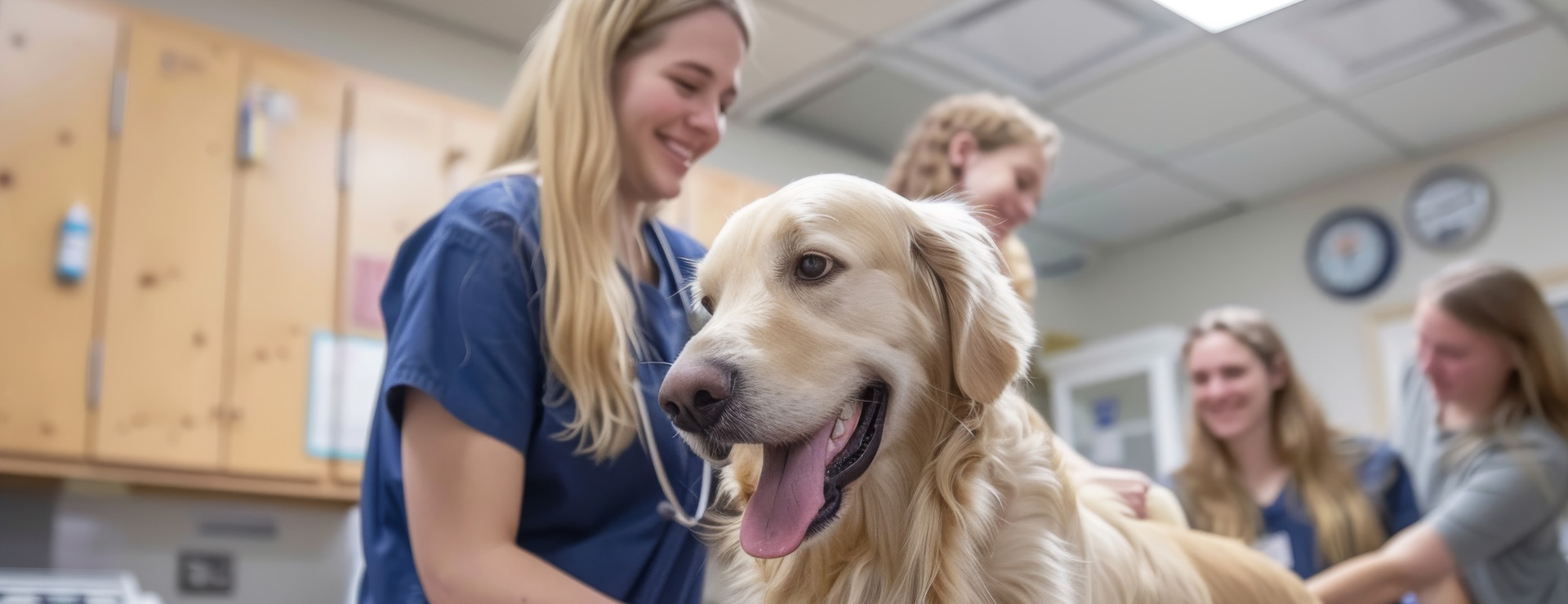
My Dog or Cat Ate Something It Shouldn’t Have: What to Do Next


Pets are curious. A dog raids the garbage, a cat chews on a ribbon, or a bag of candy gets left on the floor. When your pet eats something it should not have, acting quickly makes a real difference.
Here is what to do right away, which common household items are dangerous for dogs and cats, and how our team at Oromocto Veterinary Hospital can help.
What to Do Right Away
- Move your pet away from whatever they got into, and put the rest out of reach.
- Call us at (506) 357-8880. During business hours, our team can tell you whether to bring your pet in now. Walk-ins are accepted for emergencies.
- Have the details ready: your pet's weight, what they ate, roughly how much, and when it happened.
- Bring the packaging, wrapper, label, or a piece of the plant with you. It helps our veterinarians plan treatment.
- Do not wait for symptoms. Call even if your pet seems fine, and do not try home remedies unless a veterinarian tells you to.
What to Do After Hours
Oromocto Veterinary Hospital is open Monday to Friday, 7:30 AM to 6:00 PM, and closed on Saturdays, Sundays, and public holidays. We share a rotating after-hours schedule with other local veterinary hospitals. If it happens after hours, call our office at (506) 357-8880 to be directed to the clinic on call. You can also contact Capital City Emergency Vet Hospital at 506-447-8387.
Save both numbers in your phone now so you are not searching for them in a stressful moment.
Common Household Items That Are Dangerous for Pets
Foods and Treats
- Chocolate: contains caffeine and theobromine, both toxic to pets. The darker and more bitter the chocolate, the greater the risk, and even small amounts can cause serious problems depending on your pet's size.
- Sugar-free candy and gum: many contain xylitol, a sweetener that can cause liver failure, low blood sugar, and seizures in pets.
- Bones, onions, and raisins: common in holiday meals and hazardous to pets.
- Candy wrappers: these can be just as harmful as the candy itself.
Holiday Decorations
- Pine needles from real Christmas trees, which can harm the digestive system
- Small ornaments, glass decorations, and tinsel
- Ribbons and bows on wrapped gifts, which pets may mistake for toys
Plants
- Holly, mistletoe, poinsettias, and some lilies
- Houseplants such as lilies, aloe vera, and ivy, which can be toxic to cats
- Outdoor plants such as azaleas and tulip bulbs
Chemicals in the Garage or Shed
- Antifreeze
- Pesticides
Signs to Watch For
Symptoms depend on what your pet ate. For example, a pet that has eaten chocolate may show:
- Vomiting
- Diarrhea
- Rapid breathing
- Hyperactivity
- Increased heart rate
- Seizures
If you know or suspect your pet ate something harmful, contact a veterinarian right away instead of waiting for signs like these. Read more in our Halloween pet safety tips.
How Our Veterinarians Help
1. Fast Assessment
When you arrive, our team promptly assesses your pet, looking at symptoms, vital signs, and any visible concerns.
2. Diagnostic Imaging and Lab Work
Our digital x-rays help us identify foreign objects and other internal abnormalities. Ultrasound gives a real-time view of the organs, including the intestines, and our in-house laboratory delivers fast results. Learn more about our diagnostic services.
3. Treatment
Depending on what your pet swallowed, treatment may include fluid therapy, pain management, or surgery. Our hospital has a fully equipped surgical suite.
4. Monitoring and Follow-Up
We monitor your pet closely and adjust treatment as needed. When your pet is ready to go home, we give you aftercare instructions and may schedule a follow-up visit to make sure they recover fully.
How to Prevent It From Happening Again
- Keep food out of reach and make sure trash cans are secure.
- Keep pets out of the kitchen and dining area during big meals.
- Store candy, gum, and chocolate away from pets, including in purses and bags.
- Throw away wrappers promptly.
- Choose ornaments too large to swallow, and skip glass decorations and tinsel.
- Use artificial versions of toxic holiday plants if you cannot keep them out of reach.
- Store antifreeze and pesticides where pets cannot get to them.
Our holiday safety tips for pet owners have more ideas for keeping your home pet safe.
Frequently Asked Questions
My dog ate chocolate. What should I do?
Call us at (506) 357-8880 right away. Tell us your dog's weight, the type and amount of chocolate, and when it happened, and bring the packaging if you can. After hours, call the same number to be directed to the clinic on call, or contact Capital City Emergency Vet Hospital at 506-447-8387.
Can an x-ray show what my pet swallowed?
Our digital x-rays help identify foreign objects and other internal abnormalities. When more detail is needed, ultrasound can give a real-time view of the intestines and other organs.
Do I need an appointment?
No. Walk-ins are accepted for emergencies during business hours. If you can, call ahead so our team knows you are on the way.
Can you help if my cat ate a lily or a ribbon?
Yes. Call us right away. Lilies and some other plants are toxic to cats, and ribbons and bows can pose serious risks if they are chewed or swallowed.
Get Help Fast in Oromocto
If your pet ate something it should not have, call (506) 357-8880 or come to 225 Restigouche Road in Oromocto during business hours. Visit our urgent care page or read our guide to urgent vet care in Oromocto to learn more.


The Latest
Indoor cats live longer, healthier lives, free from the dangers of traffic, predators, and harsh weather. Learn how to keep your beloved cat safe and happy.
Regular grooming maintains your pet’s health by preventing mats, promoting shiny coats, and removing debris. Trust professionals for safe, effective grooming.
Keep your pets safe this Halloween by avoiding chocolate, candy, and decorations that can be toxic or harmful to them.