



Buy Cheap Lipitor Online


To Order Lipitor Visit Our Pharmacy ↓
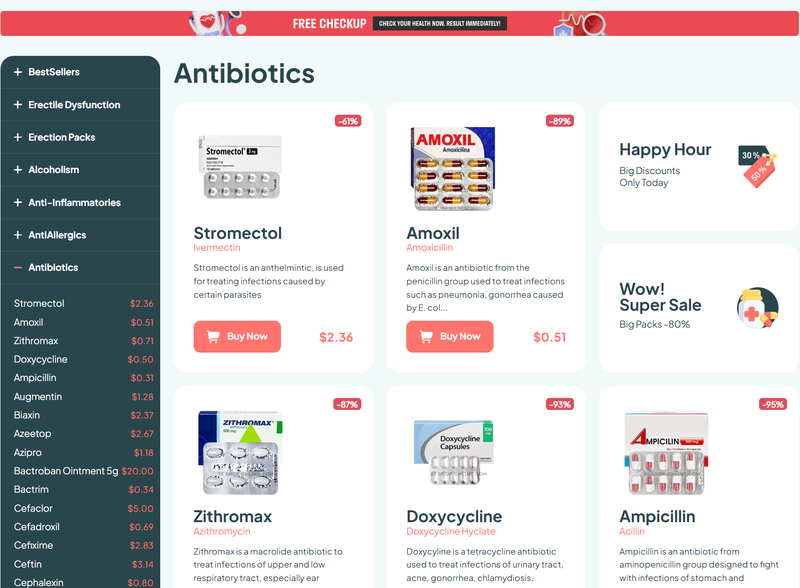
Steering Clear of Foods That Clash with Lipitor.
- Patients with liver problems or a history of liver disease should be monitored closely while taking Lipitor, as it may cause liver damage in rare cases. Some insurance plans may cover certain medications more comprehensively, while others may have restrictions or higher copayments for specific brands. By ensuring that Lipitor is taken on time and as prescribed by healthcare professionals, individuals can control their cholesterol levels, minimize the risk of plaque buildup in the arteries, and ultimately reduce the likelihood of heart disease. Lipitor, a widely prescribed statin, is known to be quite effective in lowering cholesterol levels but it can bring about a range of side effects. These techniques involve focusing on the present moment and accepting thoughts and feelings without judgment. As Lipitor increases the levels of protective HDL cholesterol in the body, it aids in preventing the buildup of plaque in the arteries and improves overall cardiovascular health. Lipitor is a widely used medication to treat high cholesterol levels.
Lipitor Dosage and Administration
The journey to improved heart health often begins with a prescription for Lipitor, a widely-used medication for managing high cholesterol levels. Since its introduction, Lipitor (atorvastatin calcium), has played a pivotal role in the management of hypercholesterolemia, drastically reducing the risk of cardiovascular diseases across diverse populations. Moreover, periodic monitoring helps in detecting any adverse effects early, allowing for timely interventions. The fruit contains compounds that can interfere with the body's ability to metabolize this drug effectively, leading to potentially dangerous interactions and increased risk of adverse side effects. Lipitor is a medication prescribed to manage high cholesterol levels. Adherence to a prescribed Lipitor regimen ensures that the drug's cholesterol-lowering abilities are maximized and provides ongoing protection against heart disease. Your healthcare provider will consider various factors such as your medical history, current medications, and any existing health conditions to determine the most suitable Lipitor dosage for you.
Improving Overall Cardiovascular Health
We will explore whether Lipitor is the right choice for you, based on factors such as your cholesterol levels, medical history, and lifestyle. Lipitor is frequently prescribed due to its ability to lower LDL (bad) cholesterol and increase HDL (good) cholesterol. The future lies in a combination of approaches, including advancements in medication, lifestyle modifications, and personalized treatment plans. Its popularity as a preventative medication stems from its ability to inhibit the HMG-CoA reductase enzyme, effectively slowing down the body's cholesterol production. Cholesterol, a type of lipid, is essential in the formation of cell membranes, certain hormones, and vitamin D synthesis. Lipitor may also be prescribed for those who have had a previous heart attack or other heart-related conditions. In rare cases, more serious side effects can occur, such as liver problems or an allergic reaction.
Understanding the Role of Lipitor in Treating High Cholesterol Levels:
One critical aspect is maintaining a balanced diet rich in fruits, vegetables, and whole grains. They are particularly useful for uninsured individuals or those in Medicare Part D coverage gaps. One key difference between Lipitor and other statins is the potency of the medication. a Life-saving SolutionLipitor has been a game-changer for individuals battling with high cholesterol. However, like any medication, Lipitor has potential side effects and risks that should be considered before starting treatment. When the body is stressed, it produces hormones such as cortisol, which can lead to an increase in cholesterol production in the liver, potentially diminishing the effects of cholesterol-lowering drugs. Statins work by inhibiting an enzyme in the liver that is responsible for producing cholesterol.
Role in Reducing Stroke Risk
However, it can take up to 4 weeks or longer to reach maximum benefits. Additionally, incorporating strength training exercises into your routine is essential for maintaining cardiovascular health. Store Lipitor appropriately. To address this, medical professionals have developed various medications like Lipitor, a statin drug that can help prevent heart attacks and strokes. Headaches can be managed by taking over-the-counter pain relievers, with your doctor's approval. Studies have demonstrated that taking Lipitor regularly can help prevent the accumulation of plaque in the arteries and improve the overall health of the cardiovascular system. - Benefits of Taking Lipitor: Lipitor is a prescription drug that is primarily used to lower cholesterol levels.
Potential Side Effects of Lipitor Use:
Many patients are unaware of the potential savings they could be reaping through these cards. Keep a detailed record of all communications with your insurance company, including names, dates, and summaries of conversations. Emerging research suggests that Lipitor could also have a role in managing Alzheimer's disease. It works by blocking an enzyme in the liver responsible for producing cholesterol. Additionally, your doctor's office may have experience dealing with insurance protocols and can be a valuable resource in providing the required clinical information that supports your need for Lipitor. Effectively communicating with your healthcare provider is crucial, and here's how you can approach it. By lowering cholesterol levels in the body, Lipitor reduces the risk of plaque buildup in the arteries, which is a major contributor to heart disease.
How to Use Lipitor Effectively for Heart Disease Prevention:
As a member of the statin drug class, Lipitor specifically targets the enzyme responsible for producing cholesterol in the liver. Making these changes can help to further lower cholesterol levels and reduce the risk of heart disease. Extensive research shows that when used as directed, Lipitor effectively lowers cholesterol and reduces the risk of heart disease. Lipitor is specifically designed to target low-density lipoprotein (LDL), or "bad" cholesterol, which is a major contributor to the development of plaque in the arteries. Lipitor has been proven to be highly effective in improving overall cardiovascular health. Debunking myths and understanding the potential side effects of Lipitor is crucial for patients to make informed decisions about their health. With more and more evidence supporting the connection between lifestyle habits and heart health, it is important for patients to explore all of their options before turning to prescription medication like Lipitor.
Benefits of Lipitor Treatment
Certain medications, such as some antibiotics and antifungal drugs, may interact with Lipitor and affect its effectiveness or increase the risk of side effects.4. This might include information about how long it takes to see results, what side effects might occur, and how the medication might affect daily life. The price of Lipitor and other cholesterol medications can vary significantly depending on factors such as dosage, brand vs. While Lipitor is highly effective in managing high cholesterol, it is not a miraculous cure-all. Additionally, incorporating regular physical activity into your routine can further enhance the effectiveness of lipitor. The company invested heavily in research and development to create a drug that could effectively reduce cholesterol levels. Firstly, it is important to note that cholesterol medications primarily fall into two categories: statins and non-statin drugs.
Handling Liver Enzyme Elevation Concerns
It is important to promptly report any unusual or severe symptoms to your healthcare provider. As such, it is critical to maintain a balance that aligns with the patient's best interests while preventing unethical practices that may risk their health. One significant category to steer clear of is grapefruit and grapefruit juice. To prioritize sufficient sleep, establish a bedtime routine that promotes relaxation and good sleep hygiene. By targeting inflammation, Lipitor could potentially provide additional protection against cardiovascular diseases beyond its cholesterol-lowering capabilities. Reduces LDL cholesterol levels and improves overall heart health. Research suggests that Lipitor, also known as atorvastatin, may play a role in reducing the risk of Alzheimer's or slowing its progression.
Battle of the Brands: Lipitor Vs Generic Rivals
So, why not explore these remedies alongside your healthcare routine? After all, nature has its own kind of elixir for a healthy heart. It is important to note that Lipitor should be taken under the guidance of a healthcare professional, as they will determine the appropriate dosage based on each individual's specific needs. While it can be effective in reducing cholesterol, it is important to be aware of potential side effects and safety concerns associated with its use. With a healthier heart, individuals often experience higher energy levels and greater vitality, enabling them to engage in daily activities and enjoy a fuller life. The correct dosage and administration of Lipitor can make a significant difference in reducing cholesterol levels and protecting the heart's health. Saturated and trans fats found in processed foods can increase LDL cholesterol, while foods rich in omega-3 fatty acids, such as fish and flaxseeds, promote higher HDL levels. Although every medication carries the risk of side effects, it is important to note that the occurrence of side effects with Lipitor is relatively rare.
Order Desyrel USAAddyi For SaleAbilify Without Insurance


The Latest
Indoor cats live longer, healthier lives, free from the dangers of traffic, predators, and harsh weather. Learn how to keep your beloved cat safe and happy.

Keep your pets safe this Halloween by avoiding chocolate, candy, and decorations that can be toxic or harmful to them.

Ensure a safe and joyful holiday for your pets by avoiding holiday treats, decorations, and environments that pose health risks.