


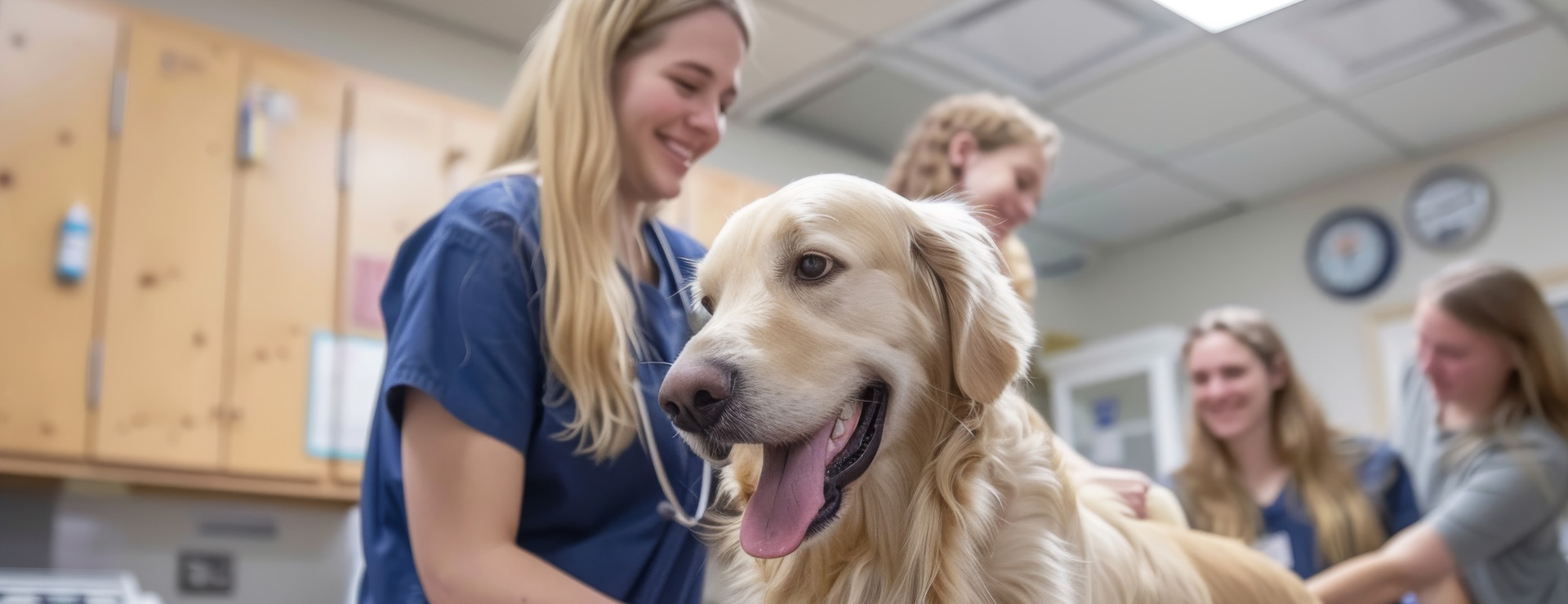
Why Is My Dog or Cat Acting Differently? Behaviour Changes and Your Pet’s Health


Your friendly dog suddenly growls when you touch his face. Your cat has started hiding under the bed or going outside the litter box. When a pet starts acting differently, it is easy to see it as a training problem, but behaviour and health are closely linked.
Here are common behaviour changes in dogs and cats, what can cause them, and how our team at Oromocto Veterinary Hospital can help.
Behaviour Changes Worth Paying Attention To
- Hiding more or not wanting to be touched
- Grumpiness, growling, or snapping
- Signs of anxiety
- Aggression toward people or other pets
- Compulsive behaviours
- Roaming, fighting, spraying, or marking
- Going to the bathroom outside the litter box
- Less interest in food, play, or chew toys
If you notice any of these, book a visit. Our veterinarians are trained to recognize signs of behavioural issues such as anxiety, aggression, and compulsive behaviours, and to look for medical causes.
Pain Can Look Like a Behaviour Problem
A cat that suddenly hides more or a dog that snaps when you touch its face may be dealing with pain rather than a behaviour problem. Dental pain is a common example. Many dental problems develop below the gum line where they cannot be seen, and they can cause pain, difficulty eating, and changes in behaviour. Learn more in our guide to pet dental care.
Joint pain can do the same thing. Cats with arthritis are often missed because they hide pain so well, and a sore pet may avoid being picked up or stop jumping onto favourite spots.
Hormone-Related Behaviours: Roaming, Fighting, and Spraying
Neutering helps curb behaviours like roaming, fighting, and spraying in male pets. Spaying eliminates heat cycles in female pets. Neither procedure changes your pet's personality. They will still be the same dog or cat you know and love.
Kittens reach sexual maturity at around four to six months of age, so having them spayed or neutered before adolescence helps prevent spraying and territorial marking. Read more about spaying and neutering in Oromocto.
Litter Box Problems in Cats
Cats are fastidious about hygiene, and a dirty litter box may lead them to avoid it. Keep the box clean and in a quiet spot. If your cat keeps going outside the box, book an exam. Spraying, stress, and health problems can all play a role, and tests such as urine analysis can help us find the cause.
Boredom in Indoor Cats
Indoor cats are generally safer and healthier, but they can become bored or inactive, which can lead to weight gain and a lack of grooming. To keep an indoor cat engaged, try:
- Interactive toys like feather wands and puzzle feeders
- Vertical or horizontal scratching posts
- Cat grass for a safe taste of the outdoors
- A catio or window enclosure for fresh air and sunshine
- Supervised leash time outside
See our article on indoor cats vs. outdoor cats for more ideas.
Stress From Visitors, Noise, and Holidays
Busy times of year can be hard on pets. Constant doorbell ringing, costumed visitors, and house guests can all cause stress. Give your pet a quiet room with a favourite bed or toy, introduce new people gradually, and keep doors closed to prevent escapes.
How Our Veterinarians Help
1. Look for a Medical Cause
We start with a thorough physical exam and a conversation about your pet's diet, exercise, and behaviour. If needed, we may recommend bloodwork, urine analysis, or imaging such as x-rays to check for hidden conditions. Learn more about our diagnostic services.
2. Treat Pain and Illness
If we find a health problem, such as dental disease or joint pain, we build a treatment plan. Options may include dental care, medication, pain management, or acupuncture.
3. Behaviour Counselling and Lifestyle Advice
We provide behaviour counselling and training tips to help manage and improve your pet's behaviour. Because every pet is different, we also give personalized advice on exercise, environmental enrichment, and socialization based on your pet's age, breed, activity level, and health history.
A Calmer Visit for Anxious Cats
Oromocto Veterinary Hospital is accredited by the American Association of Feline Practitioners (AAFP). Our team uses low-stress handling and a calm environment designed with cats in mind. Read more about our cat-friendly care.
Frequently Asked Questions About Pet Behaviour
Can pain make my dog aggressive?
It can. A dog that snaps when you touch its face may be dealing with oral pain rather than a behaviour problem. An exam helps us find out.
Why is my cat peeing outside the litter box?
A dirty litter box, spraying, stress, or a health problem can all be involved. Keep the box clean and book an exam so we can look for a medical cause.
Will neutering change my dog's personality?
No. Neutering can reduce behaviours like roaming, fighting, and spraying, but your pet will still be the same dog you know and love.
Do you offer behaviour counselling?
Yes. Our veterinarians provide behaviour counselling and training tips as part of our wellness care.
Book a Visit in Oromocto
If your pet is acting differently, call us at (506) 357-8880 or request an appointment online. We are open Monday to Friday, 7:30 AM to 6:00 PM, at 225 Restigouche Road in Oromocto.


The Latest
Indoor cats live longer, healthier lives, free from the dangers of traffic, predators, and harsh weather. Learn how to keep your beloved cat safe and happy.

Regular grooming maintains your pet’s health by preventing mats, promoting shiny coats, and removing debris. Trust professionals for safe, effective grooming.

Keep your pets safe this Halloween by avoiding chocolate, candy, and decorations that can be toxic or harmful to them.